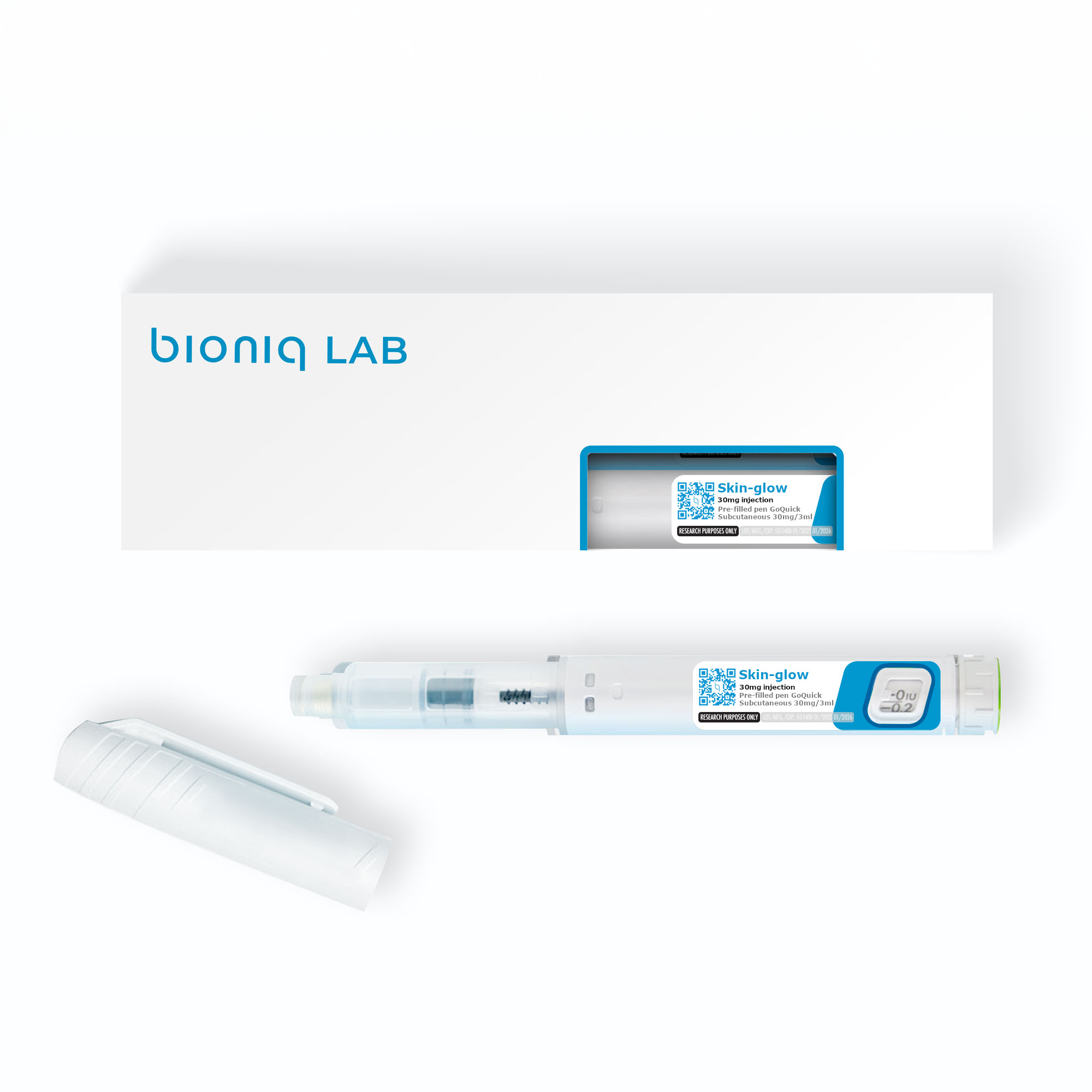
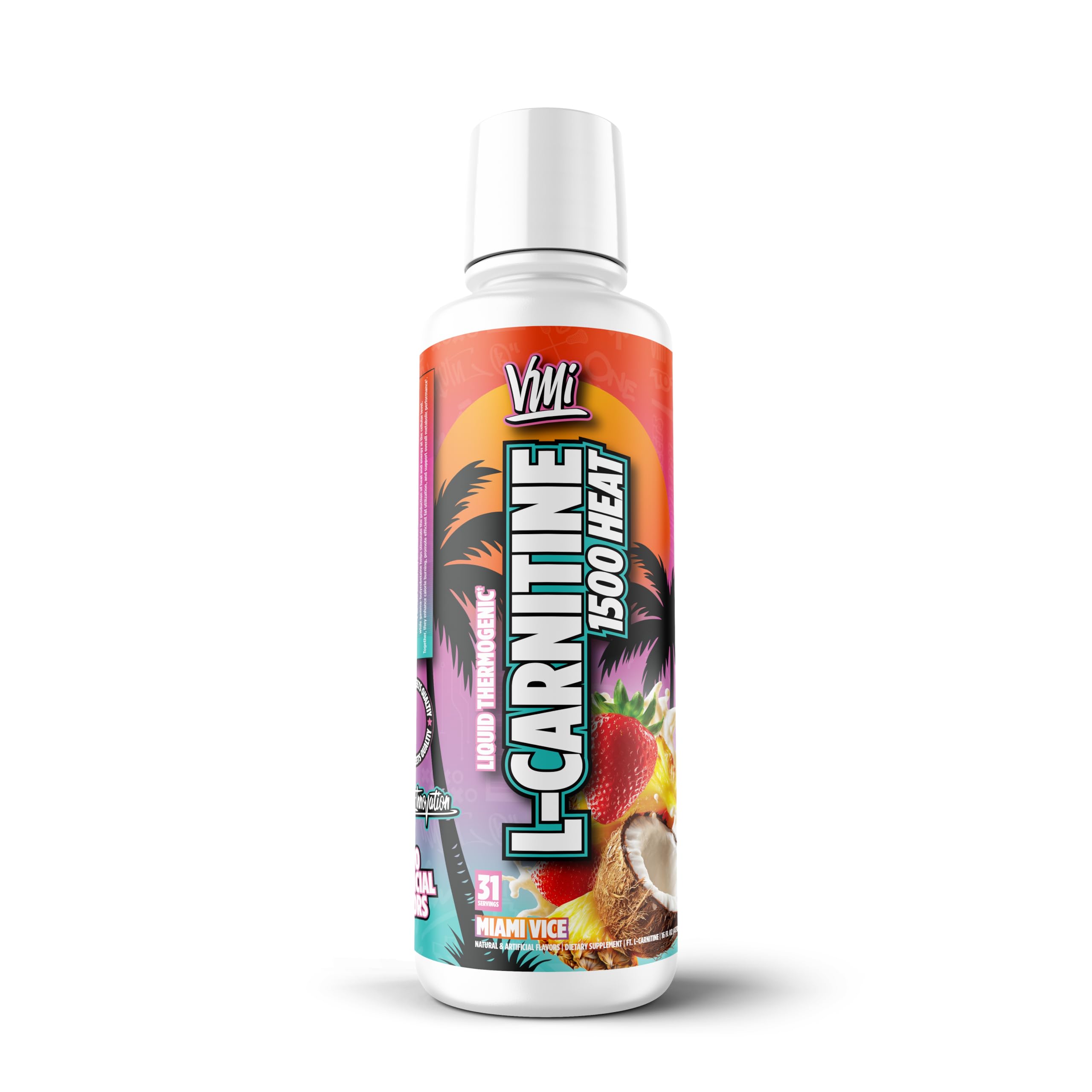
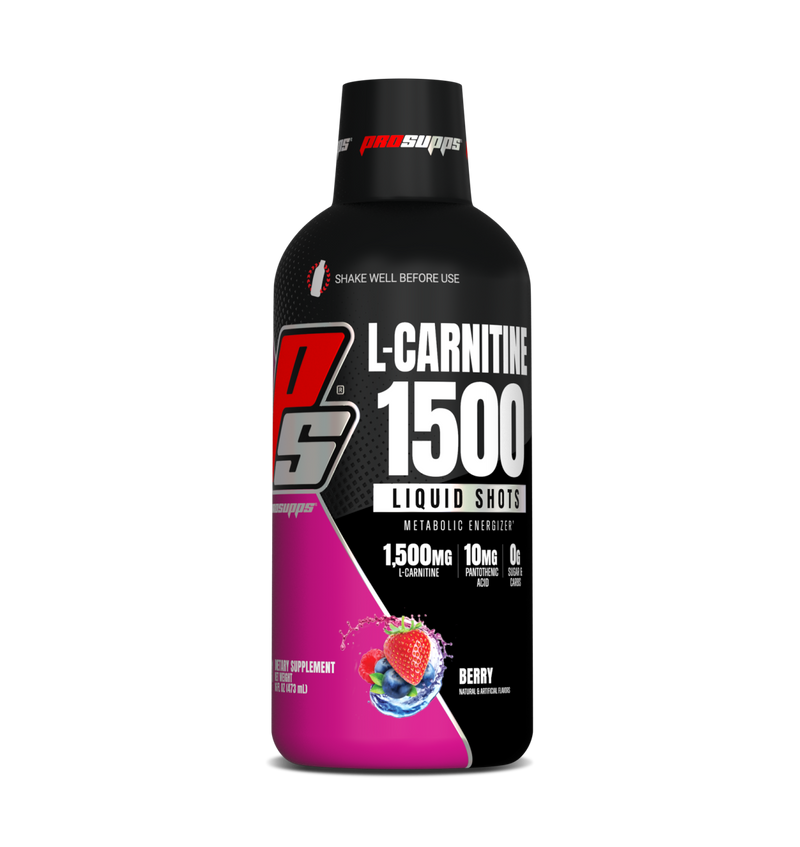
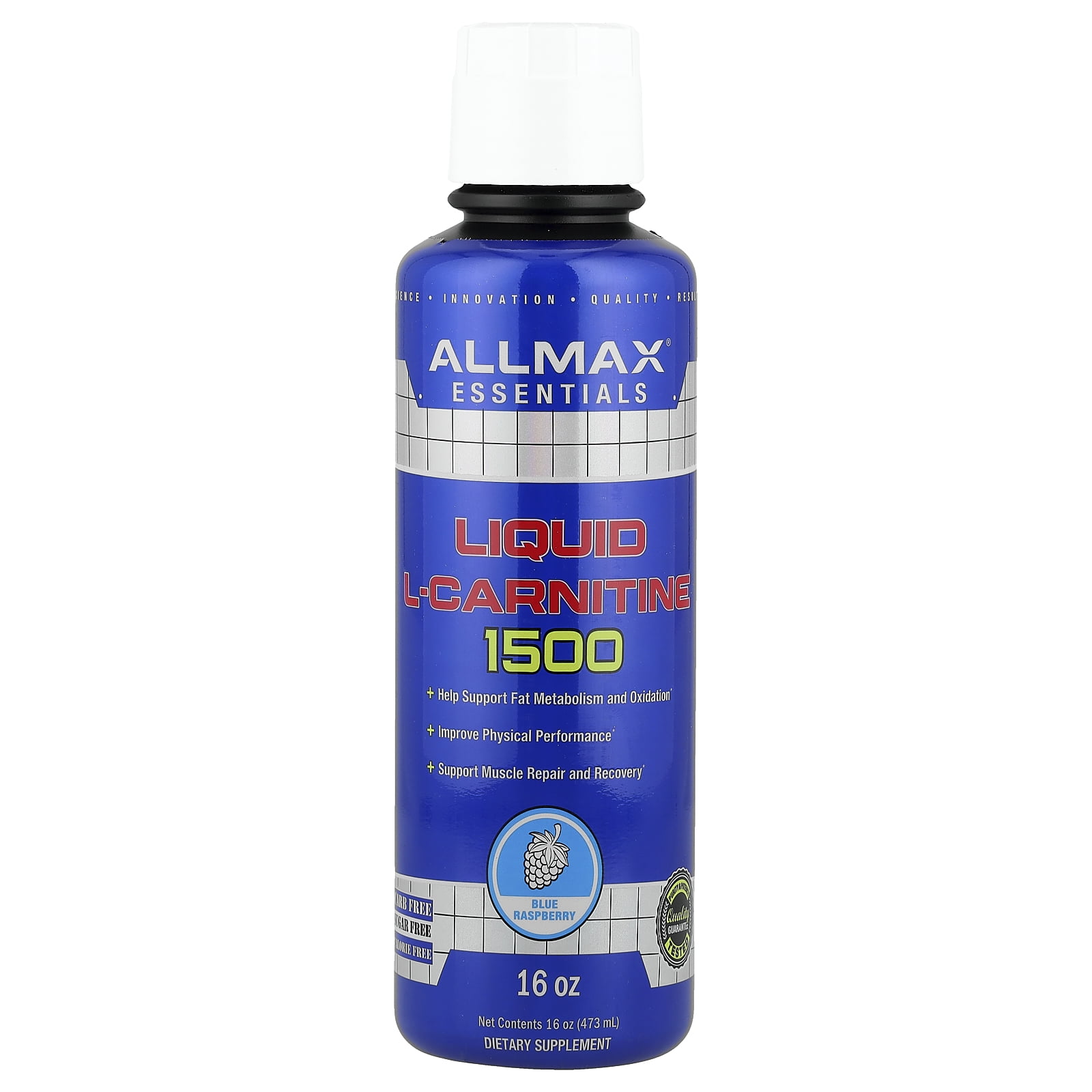
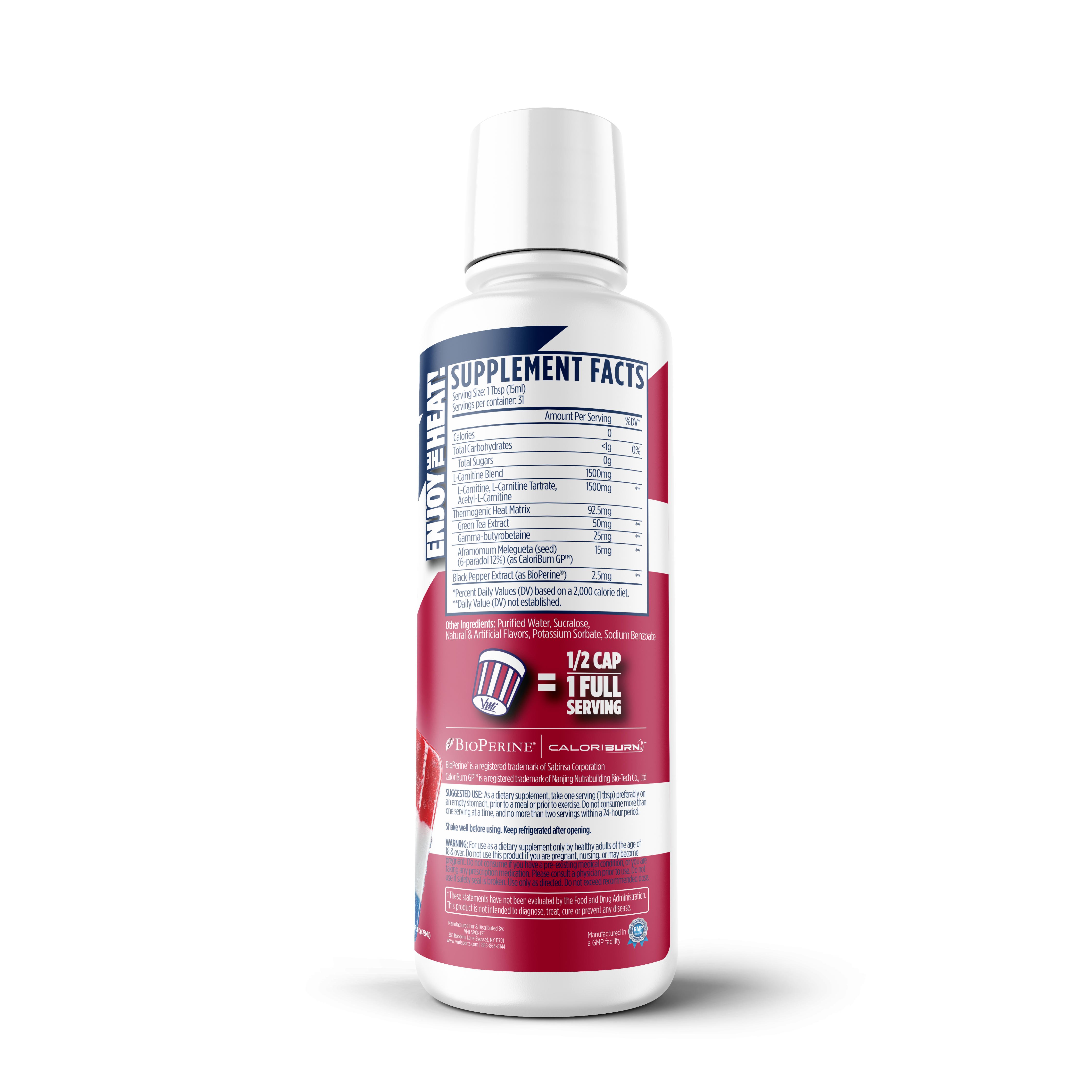
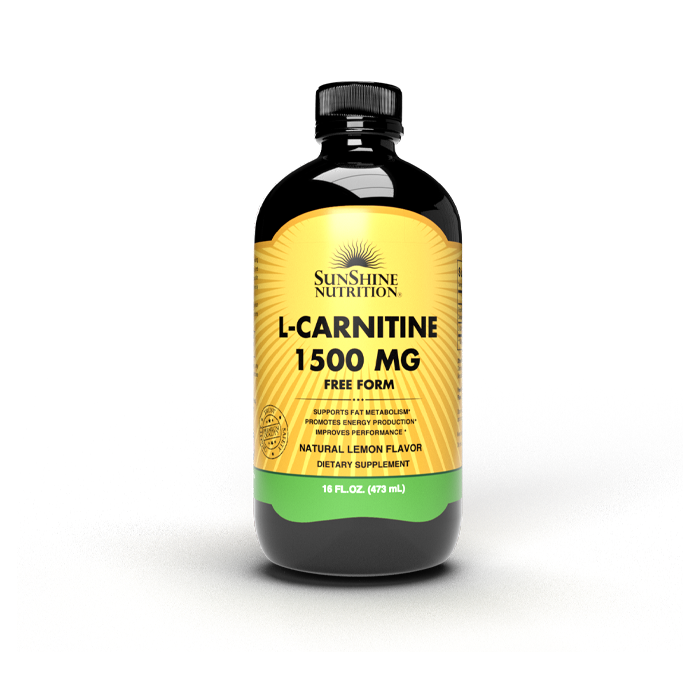
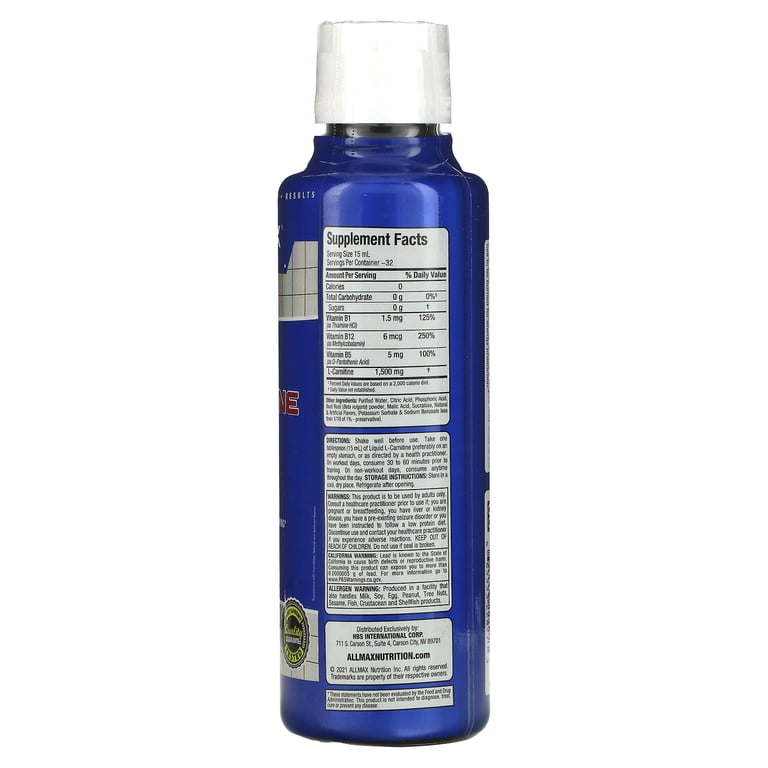
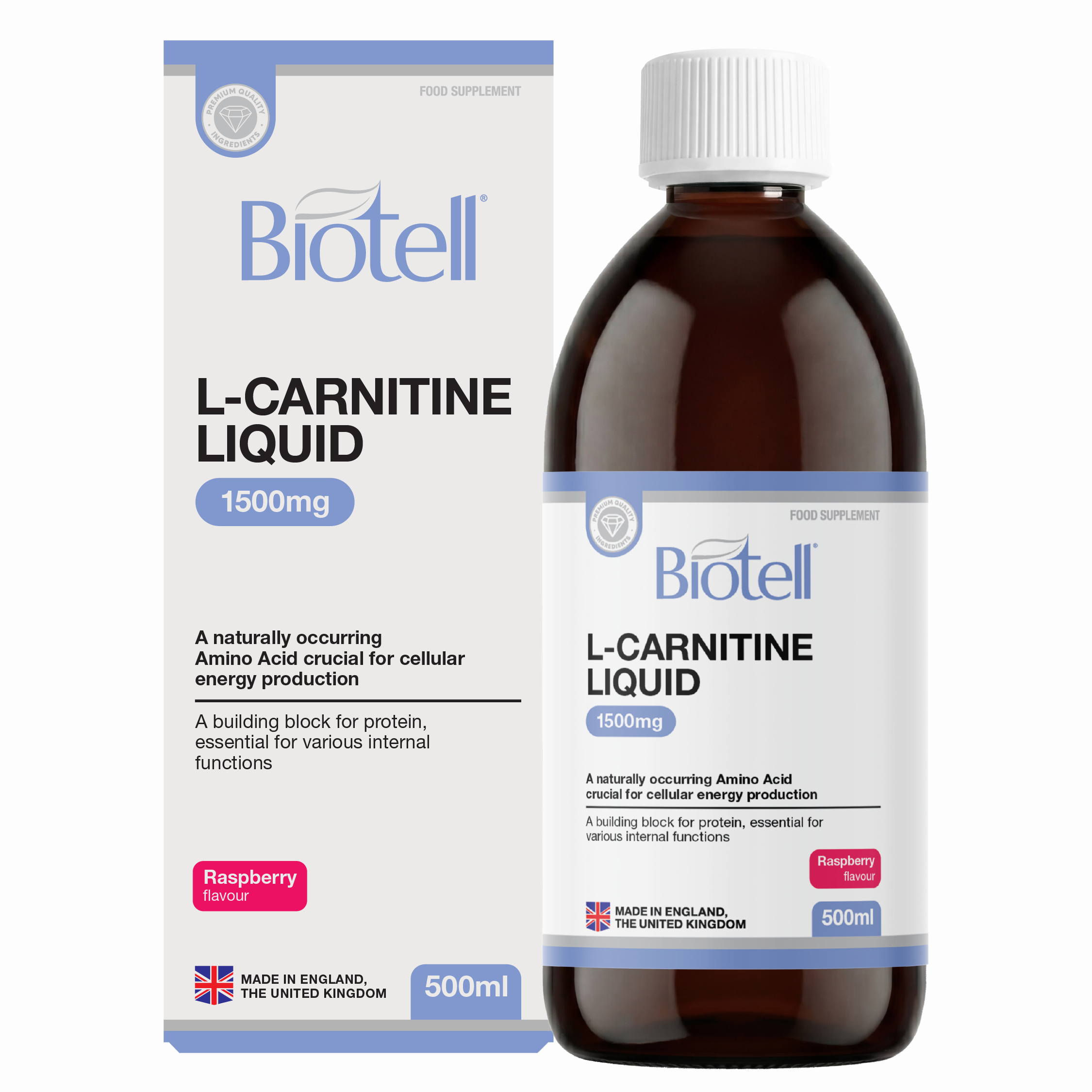
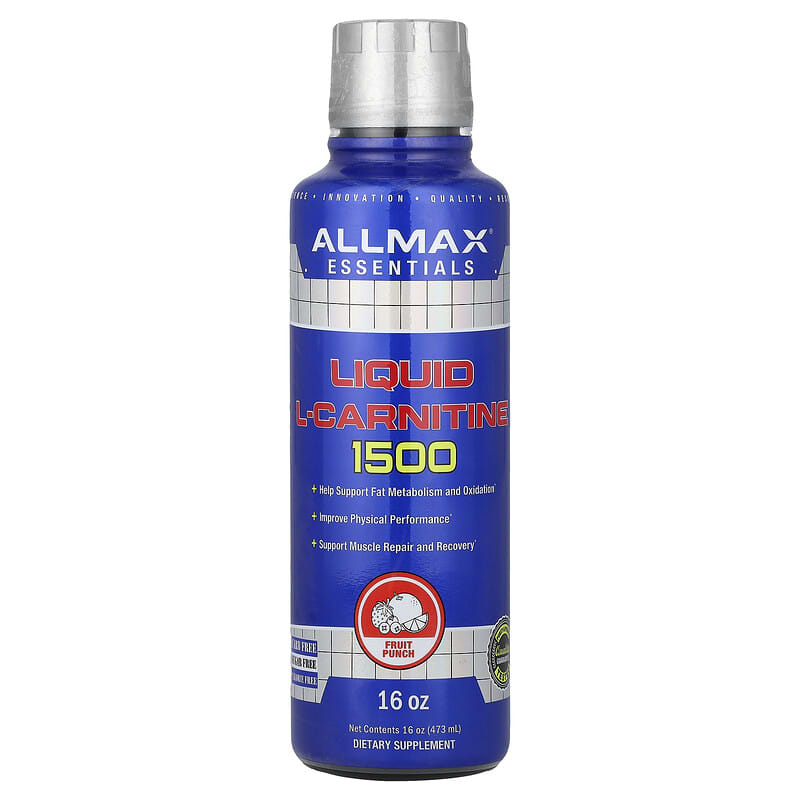
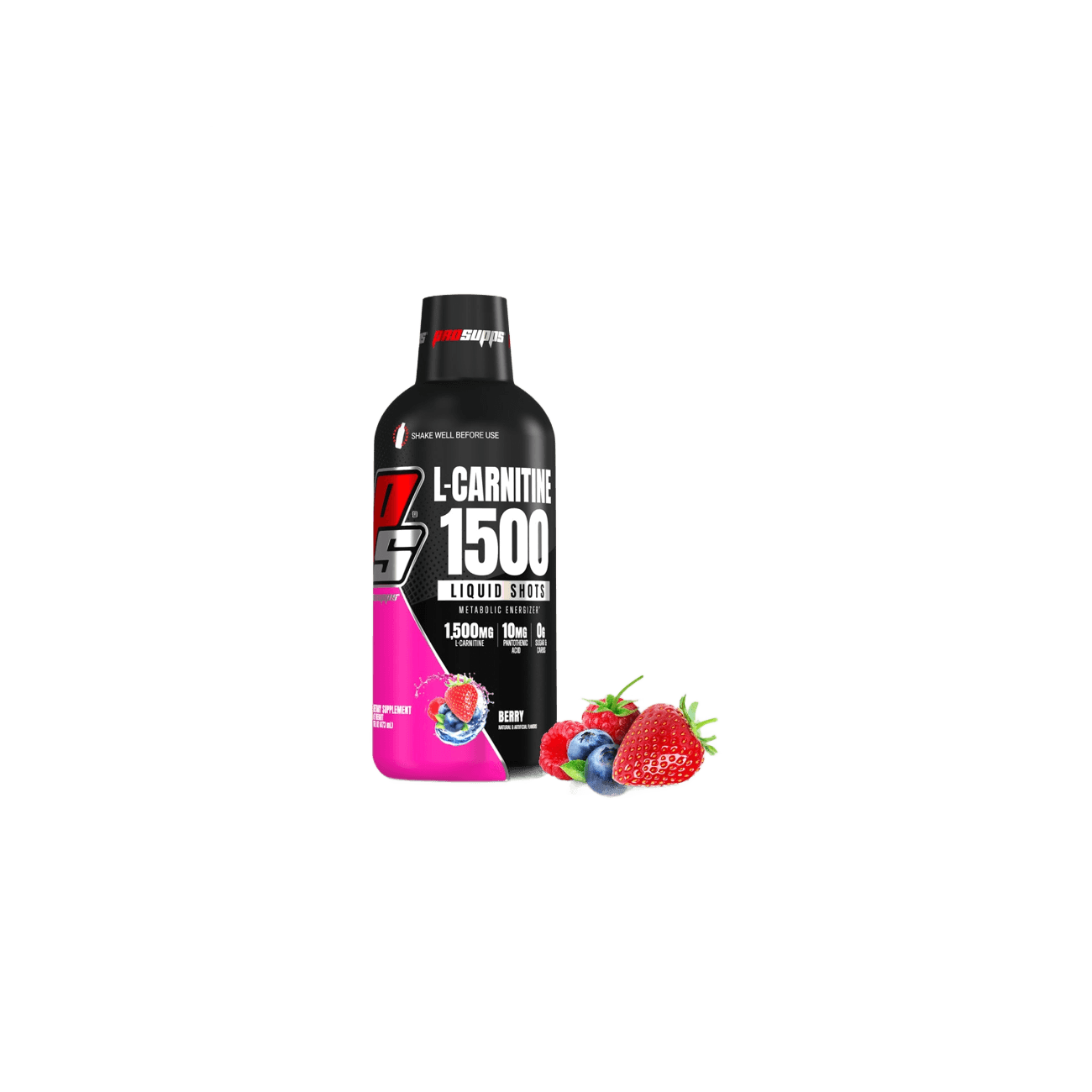
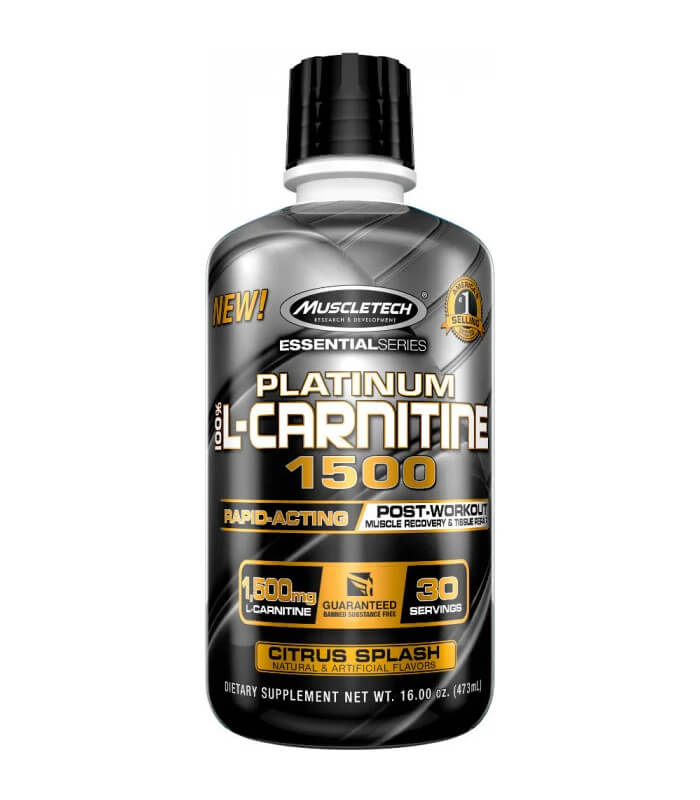
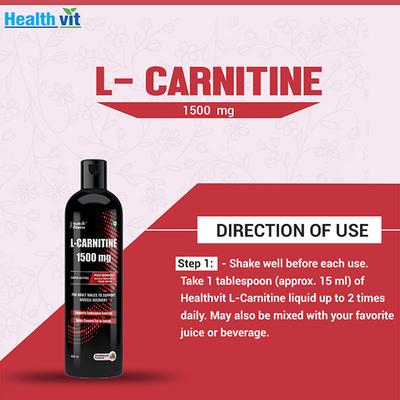
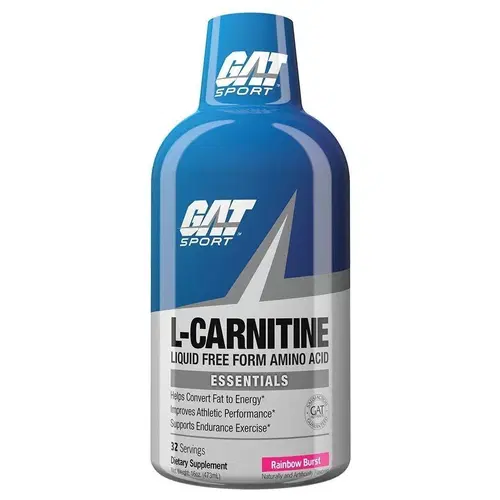
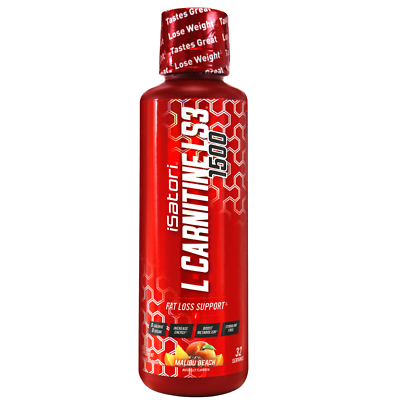
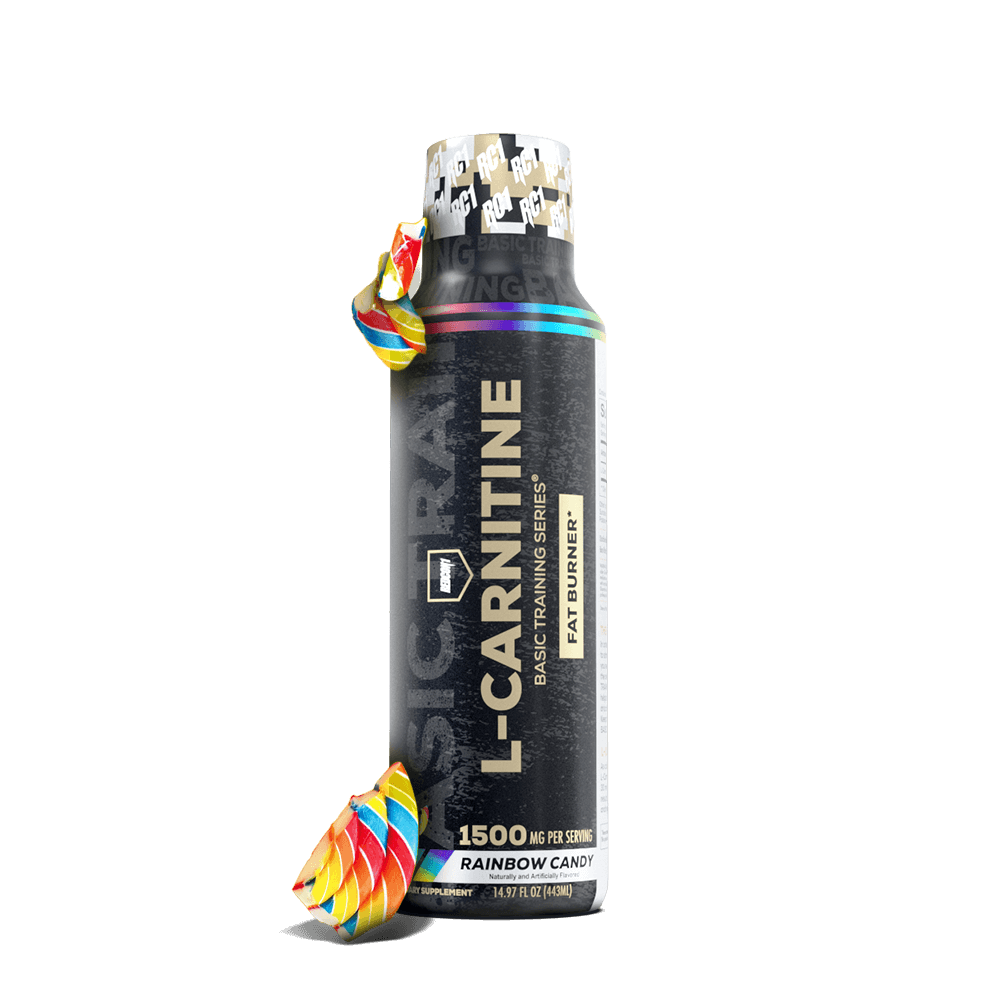
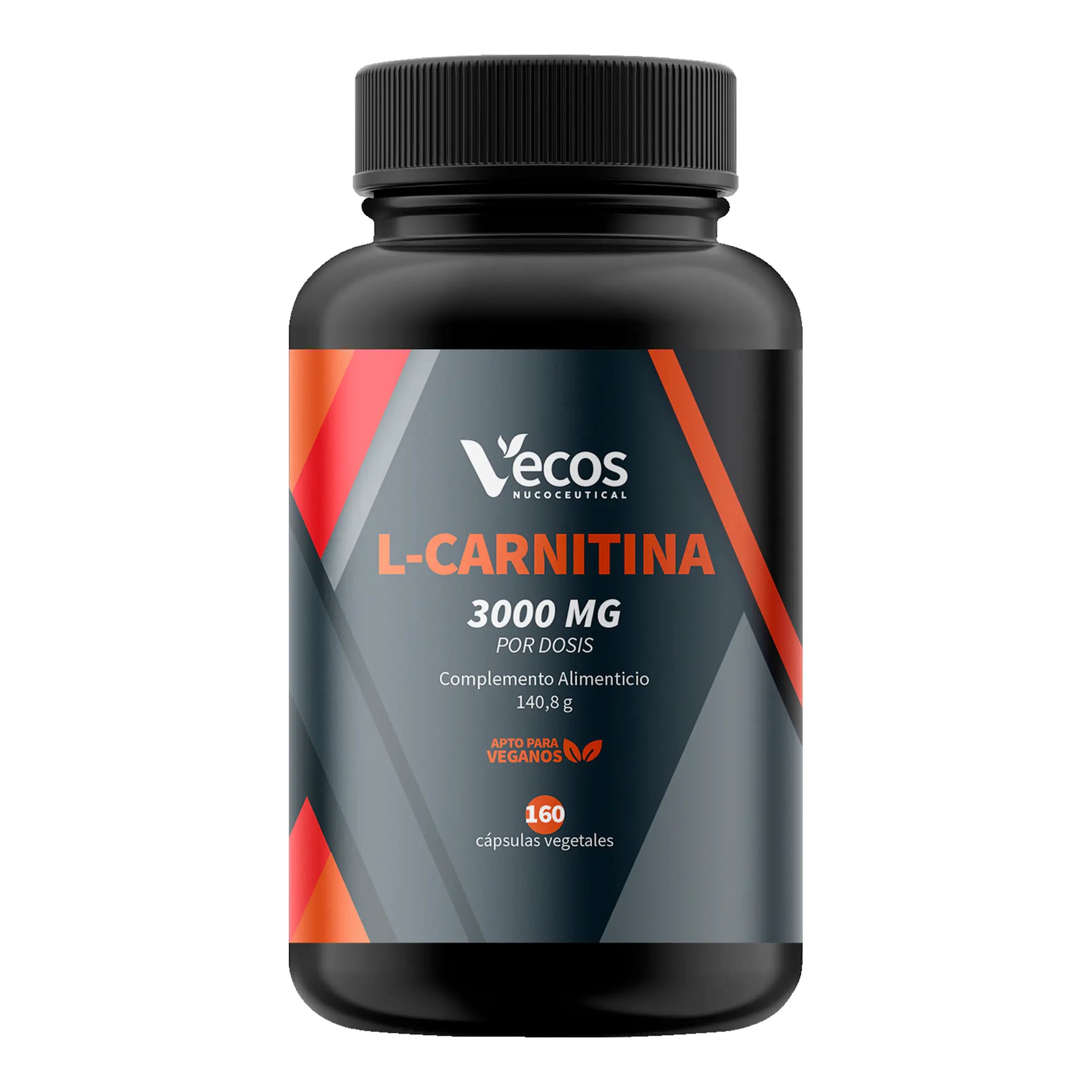
Our blends include essential vitamins and amino acids such as B12, B complex, L carnitine, CoQ10, Glutathione, and other therapeutic nutrients that play key roles in energy production, detoxification, metabolism, and cellular repair
[DOI] [PubMed] [Google Scholar] 33.Drmic D., Kolenc D., Ilic S., Bauk L., Sever M., Zenko Sever A., Luetic K., Suran J., Seiwerth S., Sikiric P
Healthcare providers must choose the right codes, provide thorough documentation, and ensure medical necessity to prevent claim denials
Average milk levels in mature milk are 200 to 700 pmol/L (270 to 950 ng/L) during the first 28 weeks postpartum in healthy, lactating women with known or presumed adequate vitamin B 12 status and not taking a supplement.[27,28,42-45] Levels are highest during the first 4 weeks postpartum and gradually decrease thereafter.[25,28,29,42-47] Hindmilk levels are 20% to 30% higher than foremilk.[29] In populations with a high prevalence of vitamin B 12 deficiency or insufficient dietary vitamin B 12 intake, reported median or average milk levels are 120 to 160 pmol/L (160 to 220 ng/L) at 6 months postpartum.[30,46] In one study of 210 lactating women from different regions of Cameroon, rates of maternal vitamin B 12 deficiency were 15% to 25% and median milk levels were between 47 and 236 pmol/L (64 and 320 ng/L)
Packaging Size
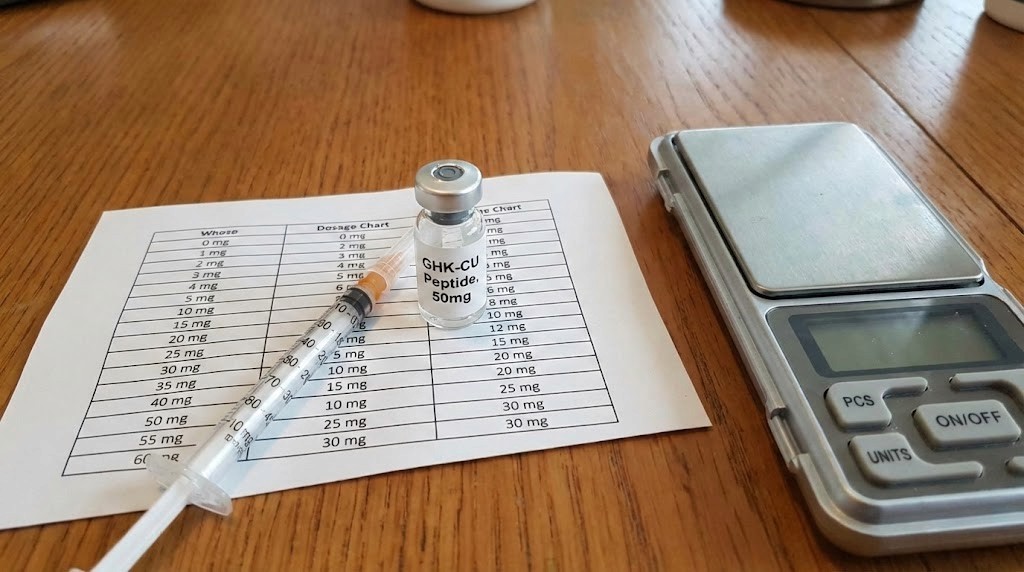
Label the vial with the reconstitution date and store at 28 C